Leafy › Toxic plants › Black Locust
Is Black Locust (Robinia) Toxic to Cats & Dogs?
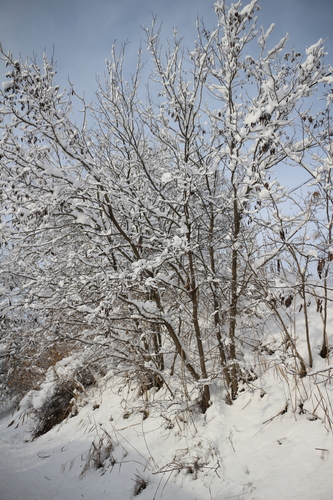
📷 Юрий Данилевский (Yuriy Danilevsky) · CC BY 4.0 · GBIF/iNaturalist
| Who | Safety |
|---|---|
| 🐱 Cats | Highly toxic |
| 🐶 Dogs | Highly toxic |
| 🧑 Humans | Highly toxic |
Symptoms in pets
If a cat or dog chews or ingests Black Locust, reported signs include:
- death
- robin protein toxicity
- vomiting
- weakness
Most affected parts: bark, leaves, seeds.
Keep Black Locust in Leafy
Identify, track and care for your plants with visible sources. Try Leafy without a card; Premium gives you more scans and removes ads.
Download Leafy →Which Black Locust plants does this cover?
This applies across the Robinia genus (15 species in our database), including: Robinia ambigua, Robinia aurata, Robinia brittoni, Robinia californica, Robinia hartwigii, Robinia hispida, Robinia holdtii, Robinia margaretiae, Robinia margaretta, Robinia margarettae, Robinia neomexicana, Robinia pseudoacacia….
Based on Leafy's botanical safety database (genus-level classification).